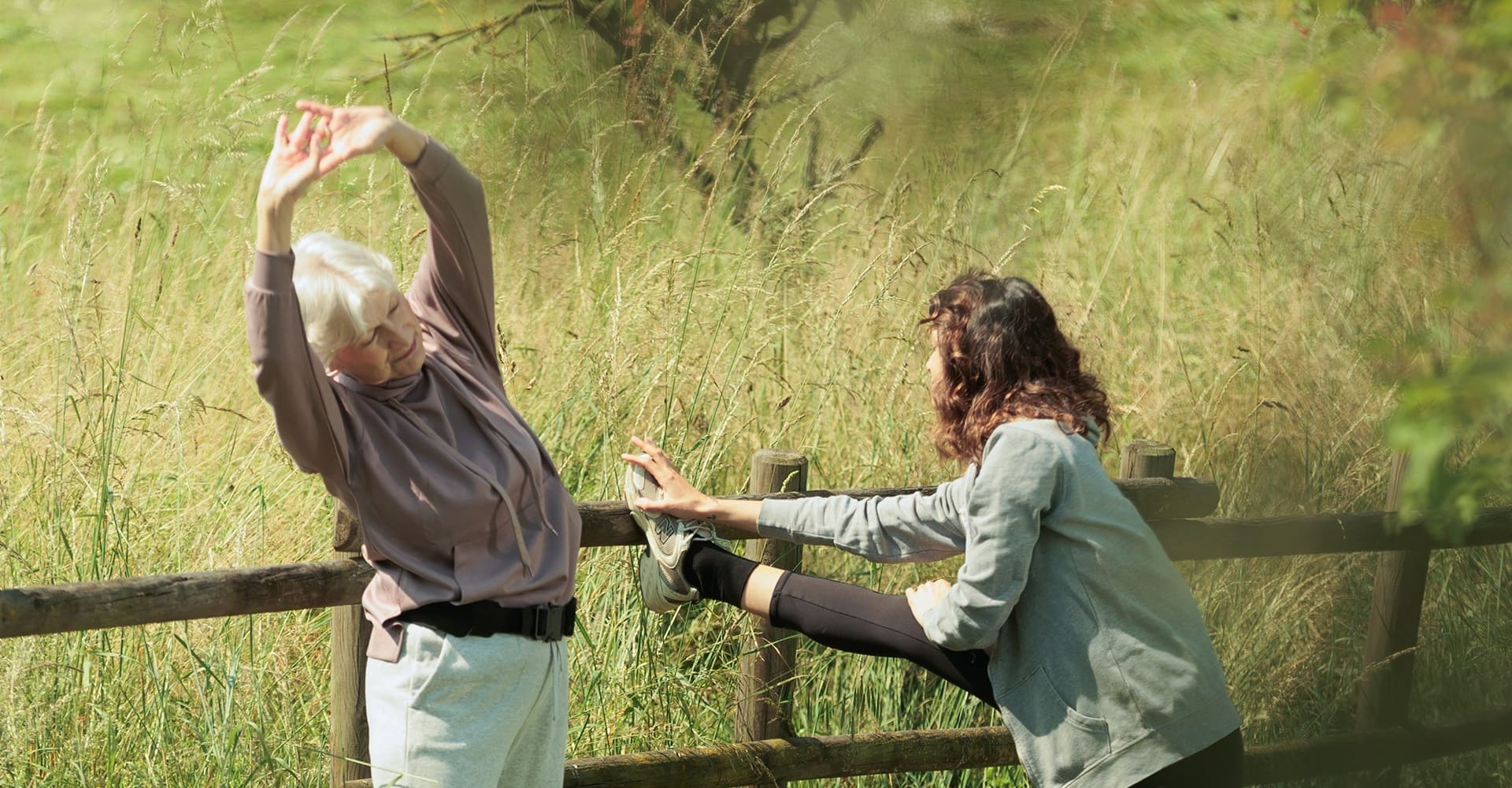
Reaching the golden age doesn’t mean slowing down: it means taking care of yourself with awareness, choosing activities that keep your body moving without tiring it out. Regular, focused activity helps to improve balance, mobility and daily mood. Of the range of activities recommended, senior workouts are one of the most effective and accessible.
In recent years, the focus on promoting an active lifestyle after 60, 70 or 80 years has increased. Doctors and physical therapists agree that even gentle movements – if performed consistently – strengthen stabilizing muscles, improve sleep quality and contribute to a greater sense of independence.
Low-impact exercises: not simply movement, but a well-being philosophy
When we talk about low-impact exercises for seniors, we think of light workouts and slow movements. In reality, it’s much more than that: it is a way to take back ownership of your body, listening to what it is tell you, and making it work without subjecting it to stress.
Some of the most popular exercises for the elderly include:
- Joint mobility: circular movements of the arms, ankles and neck that help to ease stiffness
- Light stretching: gradual stretches, performed without forcing the body, designed to improve posture and flexibility
- Muscle strengthening: targeted training for specific areas, for example to promote leg strength for seniors, can help to stabilize the body and make movements safer
- Balance exercises: small steps, walking on imaginary lines, or exercises that use a chair for support in order to reduce the risk of falls
The beauty of senior workouts is that they can be done anywhere: at home, in the gym, in a park or as part of a group session organized by your senior citizens’ center. It only takes a few minutes a day to see real benefits after just a few weeks.
The real benefits of exercise workouts for seniors
Doing exercise workouts for seniors brings real, scientifically-proven advantages:
- Better balance and stability: essential in preventing falls, one of the most common risks after the age of 70
- Better circulation: gentle movements help prevent swelling in legs and ankles
- Less joint pain: good mobility eases stiffness and inflammation
- A happier, more agile mind: movement stimulates endorphins and improves mood
- Greater independence in daily life: getting out of bed, taking the stairs, walking: everything becomes easier.
The most important thing? It’s not about performance, but regularity. Even 15 minutes of exercise each day is more effective than long, sporadic sessions. Consistency is the real secret.
Practical tips for starting off safely
Here are some suggestions for a safe, stress-free approach to exercise:
- Wear comfortable, non-slip shoes
- Always start with a slow warm-up
- Perform the exercises next to a stable support
- Never force a movement
- Prioritize symmetrical and controlled movements
- Hydrate properly, even in winter
If possible, starting with an instructor or physical therapist can help you learn the correct technique and tailor the exercises to suit your needs.
An extra help to feel safe in the golden age: FutureAge
Exercising in the golden age is very important, but it is just as important to feel protected. For many elderly people, the fear of falling is a psychological block that can limit movement. That is where FutureAge comes in, offering real reassurance.
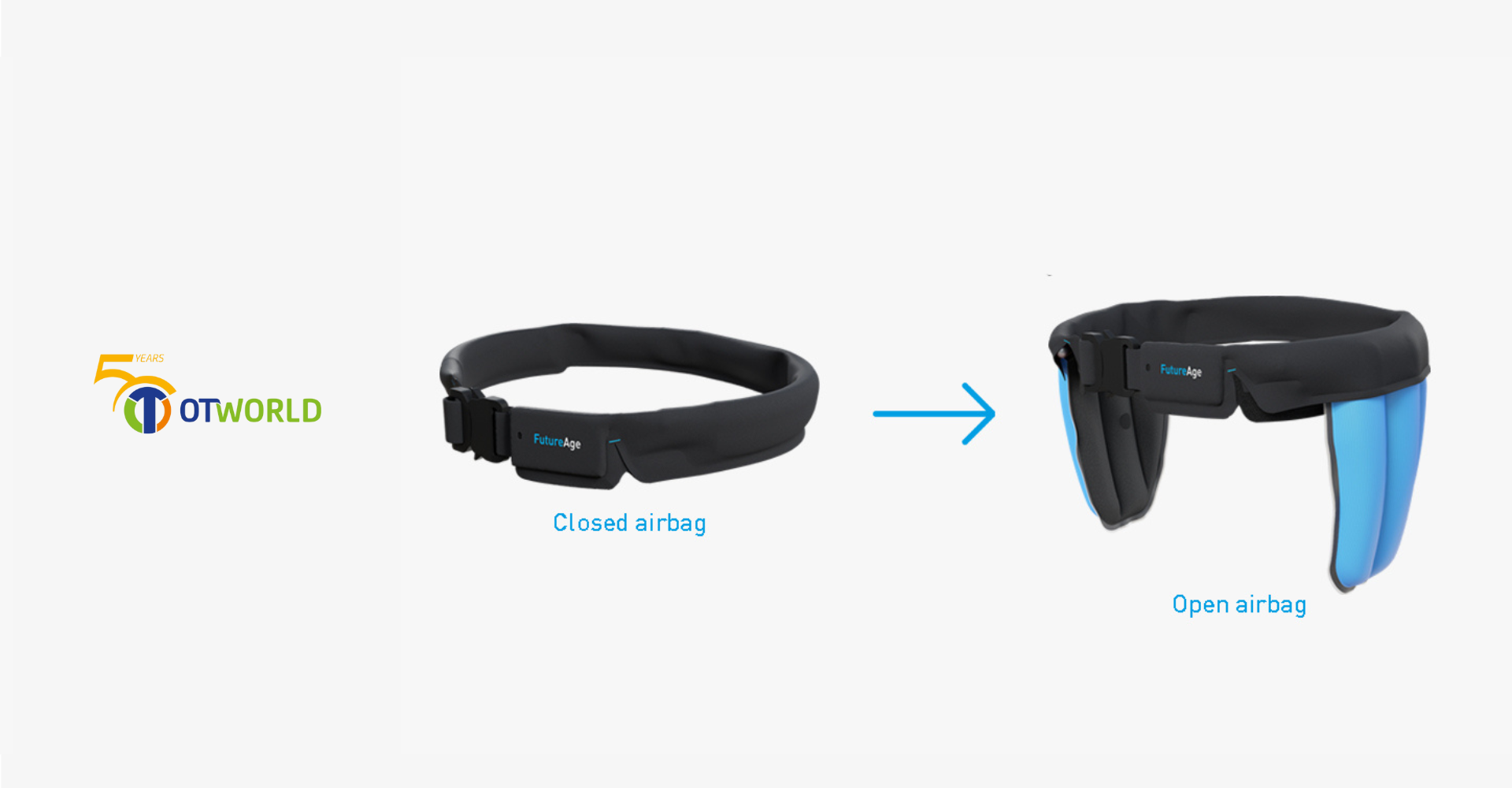
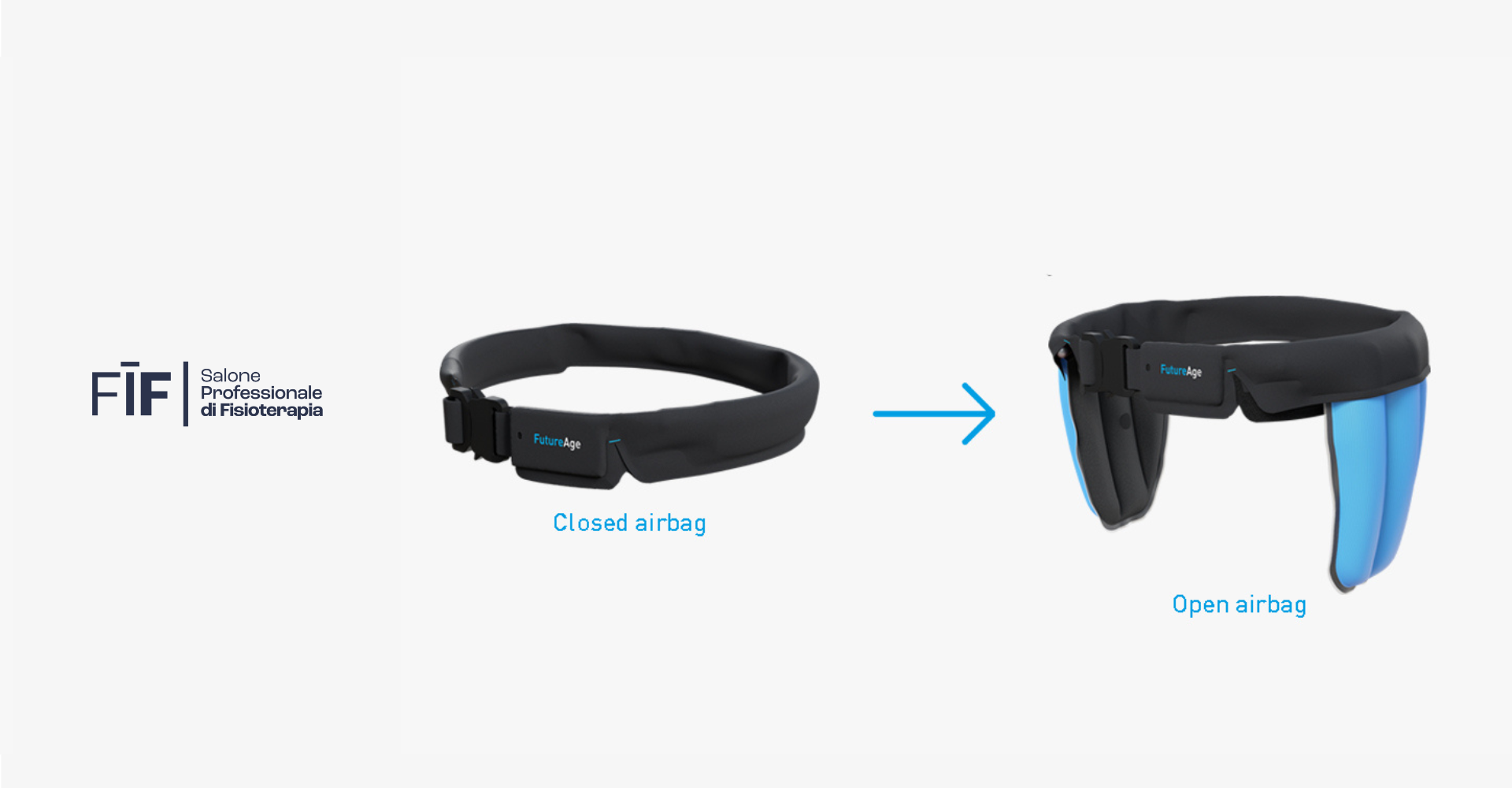
FutureAge is an airbag belt designed to protect the hips in the event of a fall. Thanks to a sensor system, the device:
- Detects the wearer’s movements in real time, distinguishing between normal and abnormal
- Identifies falls
- Activates the protective airbag instantly
- Cushions the impact, drastically reducing the risk of fractures
FutureAge is light, discreet, easy to wear every day — at home, outdoors or during low-impact exercises for seniors. The goal of this technology? To give you greater freedom, safety and peace of mind, allowing you to continue to move without fear.
Want to know more about how FutureAge can become a valuable companion in everyday life? Contact us: the FutureAge team is ready to help, and explain all the features of the device.
Note: The contents of this article are for information purposes only, and are not a substitute for medical advice. Before undertaking any physical activity, it is advisable to consult with your doctor or a healthcare professional, especially if you have specific health conditions.