Through the Antarctica project, D-Air lab brings its protective technologies to the most extreme places on Earth, supporting polar researchers with the Cooperation Suit a technical suit designed to deliver protection, comfort, and performance down to –80°C.
The suit is already being successfully used in Antarctica by ENEA and now also accompanies researchers from the Tara Ocean Foundation during their overwintering in the Arctic, facing extreme cold, ice, and low-light conditions. Founded in 2003 by Agnès Troublé, the Tara Ocean Foundation is France’s first public-interest foundation dedicated to the study and protection of the oceans. For over twenty years, it has been leading international scientific expeditions to investigate the oceans’ role in the climate system and global biodiversity.
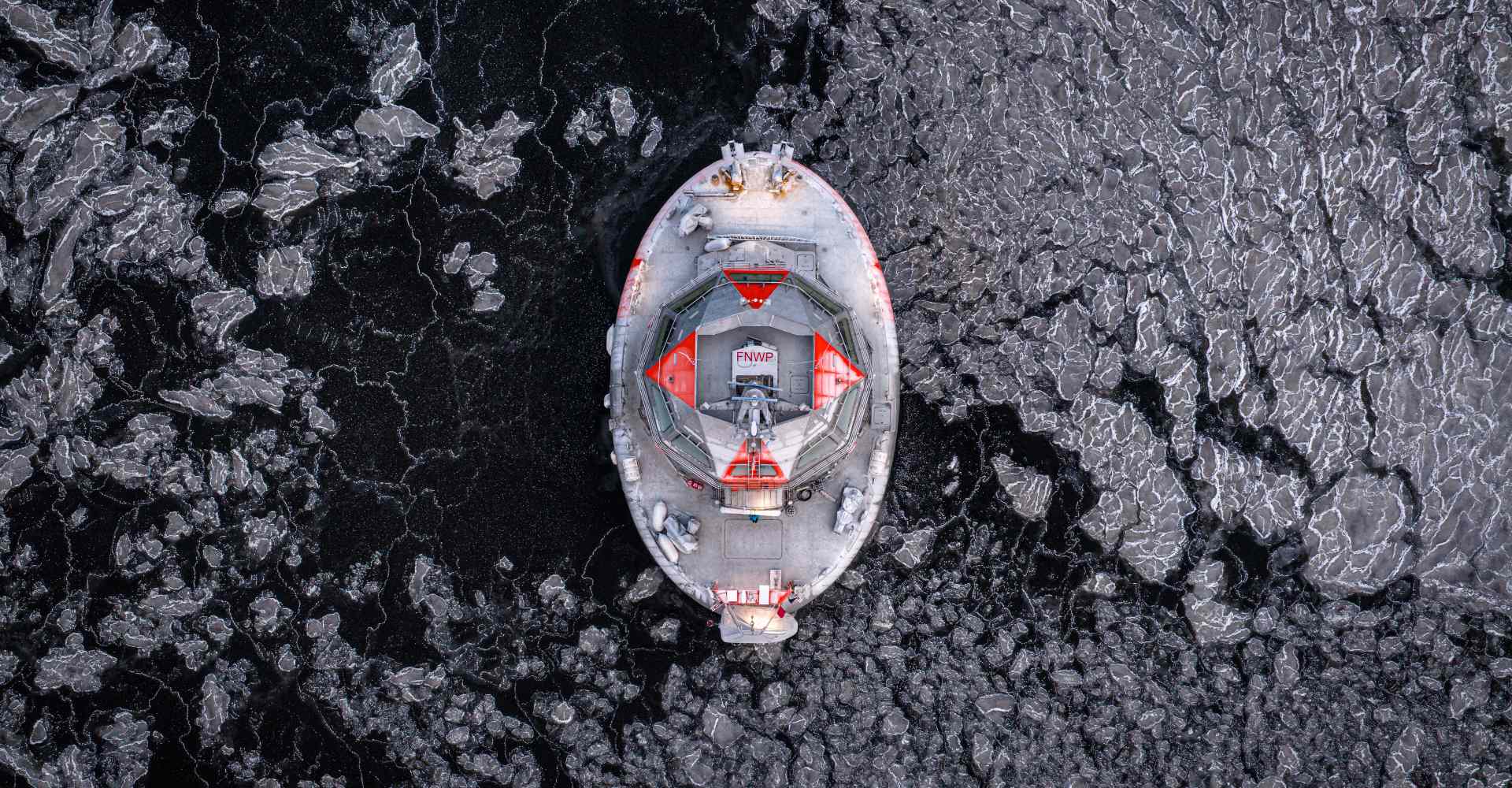
During their stay in Finland, over 25 scientists from 12 international laboratories tested instruments and protocols on ice, with temperatures ranging from –5°C to –20°C, in preparation for the Tara Polaris I mission in the Central Arctic Ocean. In this context, the Cooperation Suit supported field activities by providing thermal insulation, comfort and mobility, essential elements for working safely in polar environments.
The Cooperation Suit, the focal point of the Antarctica Project, was developed in collaboration with UNLESS, a nonprofit organization founded in 2019 by Giulia Foscari and dedicated to interdisciplinary research on extreme environments threatened by the planetary crisis. UNLESS partnered with D-Air lab’s R&D team in designing the suit, leveraging architecture, design, and research as tools to envision innovative solutions for the planet’s most hostile environments
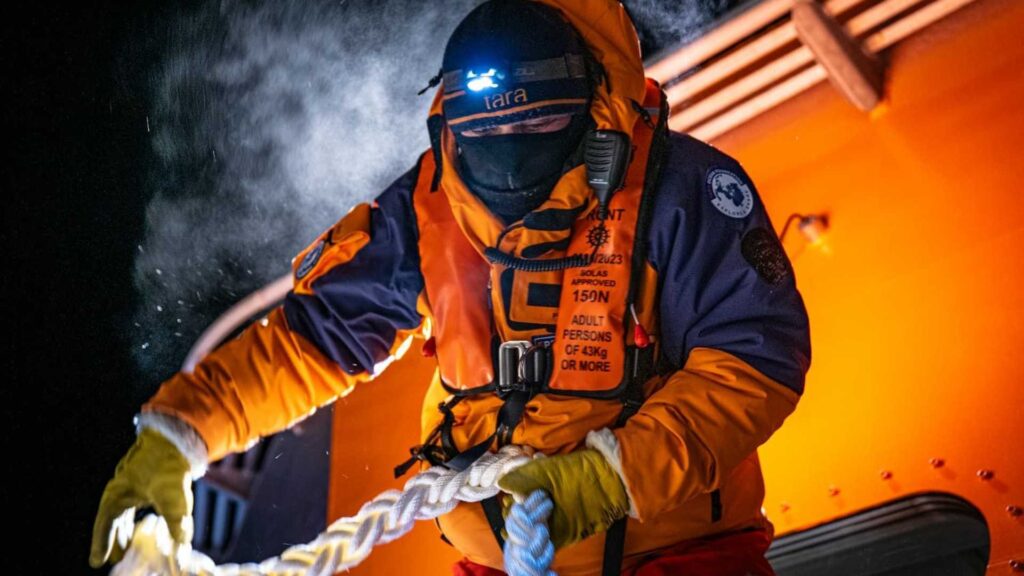
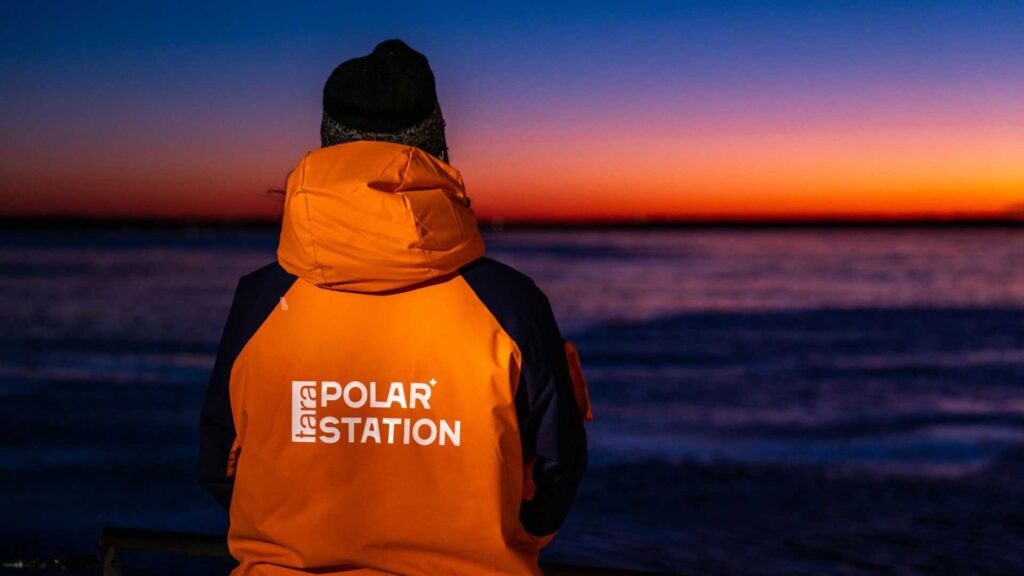
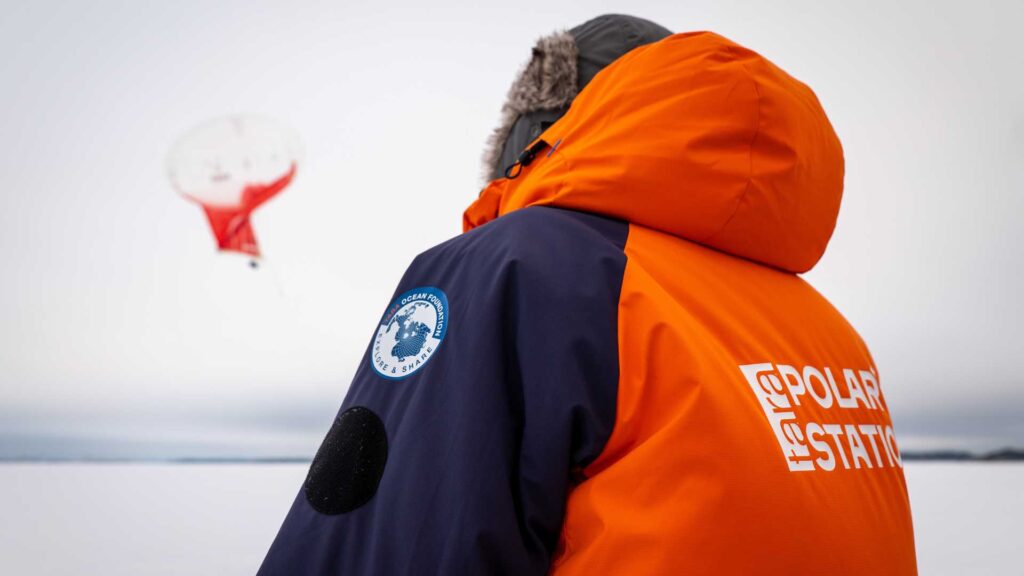
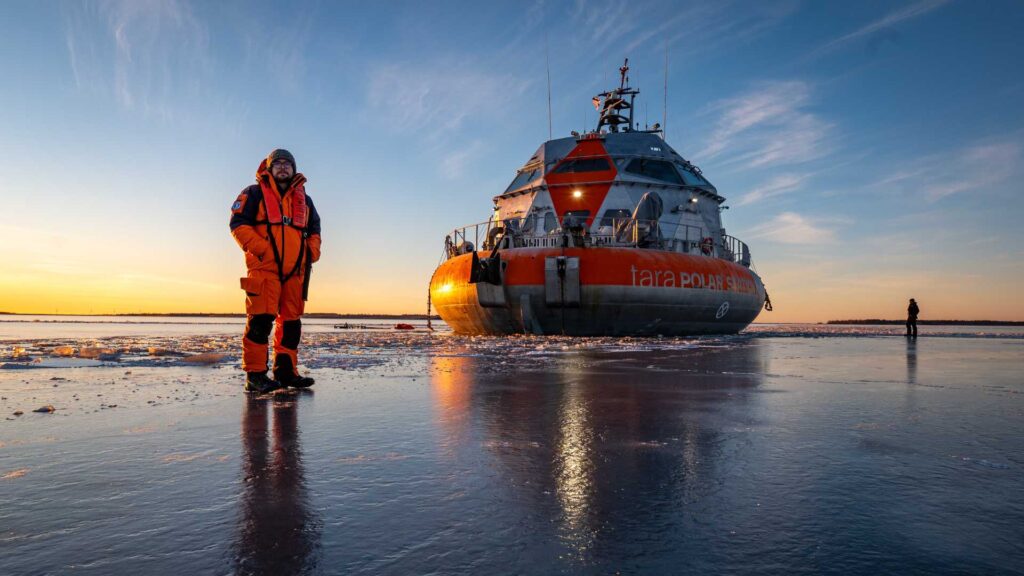
Photo credits: Maeva Bardy – Tara Ocean Foundation
The Cooperation Suit: air as a natural insulator
Working in Antarctica or in the Arctic means carrying out physically demanding tasks in extreme conditions. For this reason, the suit was designed as a modular system, with the jacket and overalls connected at the waist to boost insulation and improve heat distribution.
At the heart of the suit lies a principle as simple as it is sophisticated: using air as a natural insulator.
Drawing on extensive research into material layering, D-Air lab’s R&D team has created a six-layer structure in which each layer works together to:
- Retain heat while keeping the layers as thin as possible
- Block external cold
- Keep the body dry by wicking away moisture
- Ensure breathability and comfort
- Provide ergonomic fit and freedom of movement
The result is a balance between extreme protection and ergonomics, essential for those carrying out scientific work in harsh conditions.
The thermal and ergonomic performance of the Cooperation Suit was validated in a climate chamber, capable of reproducing conditions similar to those in Antarctica, before being deployed in the field during polar research activities.
The Suit embodies the philosophy of D-Air lab:
- Less material, greater efficiency
- Use of recycled fibers and low-impact solutions
- Medical and physiological research at the core of product development
- Integration of wearable technology and functional design
From Antarctica to the Finnish fjords, the Cooperation Suit demonstrates how innovation and research can support those working on the front lines in extreme environments.
Learn more about the Antarctica Project!