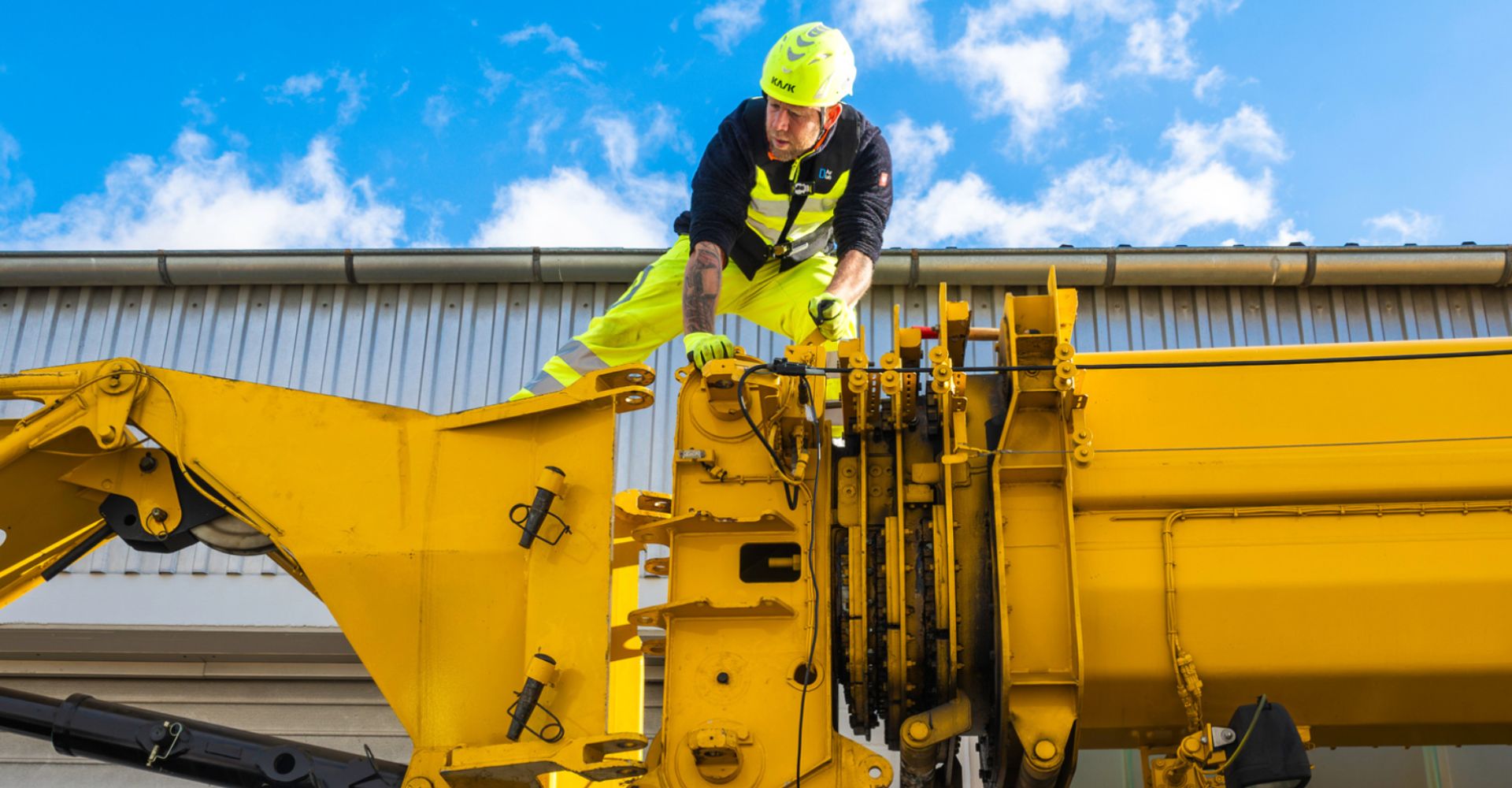
Falls from height in the transport sector are one of the main causes of serious accidents during loading and unloading activities. Working at height in the transport sector exposes operators who work above tarpaulins or tanks to a high risk of falling every day, especially when required to work where there are no fixed anchorage points.
This operating environment is characterized by unstable surfaces, mobile equipment, and unstructured environments, where accident prevention requires specific technical and organizational measures.
Understanding the risks of falls from height in the transport sector
Working at height in the transport sector presents challenges that distinguish this area from other more structured industrial environments.
Among the main risk factors:
- Unstable or slippery surfaces: wet tarpaulins, ice, load residues.
- Operating heights between 3 and 4 meters: Even a slight loss of balance can lead to serious injury.
- Absence of collective protection: Guardrails or walkways cannot always be installed on vehicles.
- Unexpected vehicle movements: vibrations or micro-movements during operations.
- Time constraints and operational pressure: these factors influence human behavior and increase risk.
In this scenario, the risk of falling from height during the loading and unloading of goods is real, and is present on a daily basis.
In the absence of adequate accident prevention measures, falls while working at height can have particularly serious consequences in the context of occupational safety within the logistics sector, with significant impacts for both the worker and for employer liability.
What does Italian Legislative Decree 81/08 on health and safety in the workplace stipulate for work at height in the transport sector?
The regulatory reference is Italian Legislative Decree 81/08 on health and safety in the workplace, which governs the management of the risk of falls from height within the framework of the regulations regarding working at height.
The decree establishes that where there is a risk of falls from a height, the employer must adopt a hierarchical approach to prevention:
- Specific risk assessment for working at height.
- Elimination of risk at source, where technically possible.
- Adoption of collective protection measures (guardrails, walkways, lifelines) as a priority.
- Use of Personal Protective Equipment (PPE) when collective measures are not feasible.
In the transport sector, however, the installation of permanent protective devices is not always compatible with the mobile nature of vehicles. In these cases, risk management must take into account the mobile operating environment, identifying individual protection solutions consistent with the company risk assessment.
This creates a real problem: how can regulatory compliance, operator protection, and operational continuity be ensured during the loading and unloading of goods?
Fixed anchorage points and lifelines: technical limitations on vehicles
Many vehicles are not structurally designed to integrate certified fixed anchorage points, making it difficult to use traditional fall arrest systems during loading and unloading.
Conventional solutions have several limitations:
- Fixed lifelines: rarely found in logistics yards.
- Harnesses with lanyards: difficult to connect without certified anchorage points.
- Mechanical retractable devices: not easily compatible with mobile devices and dynamic contexts.
This creates a “protection gap” in which the operator is exposed to risk, despite clear regulatory requirements regarding safety and working at height.
Alternative fall protection devices without fixed anchorage points
When it is not possible to install collective systems or permanent structural anchorage points, protection must be adapted to the operating environment.
This includes wearable devices designed to mitigate the potential for harm in the event of a fall, with the aim of reducing the consequences of the impact.
WorkAir: wearable airbag for mitigating trauma from falls
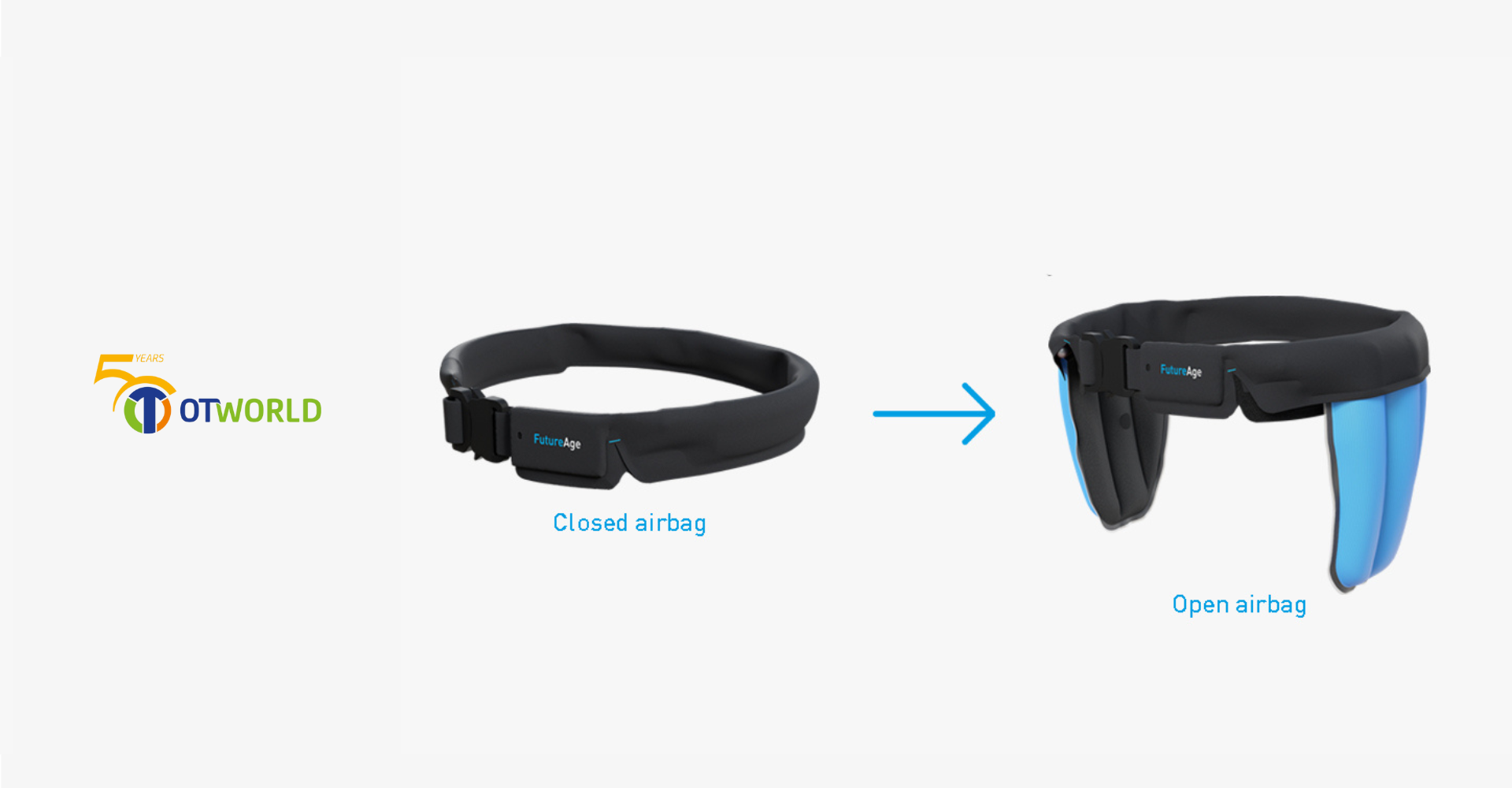
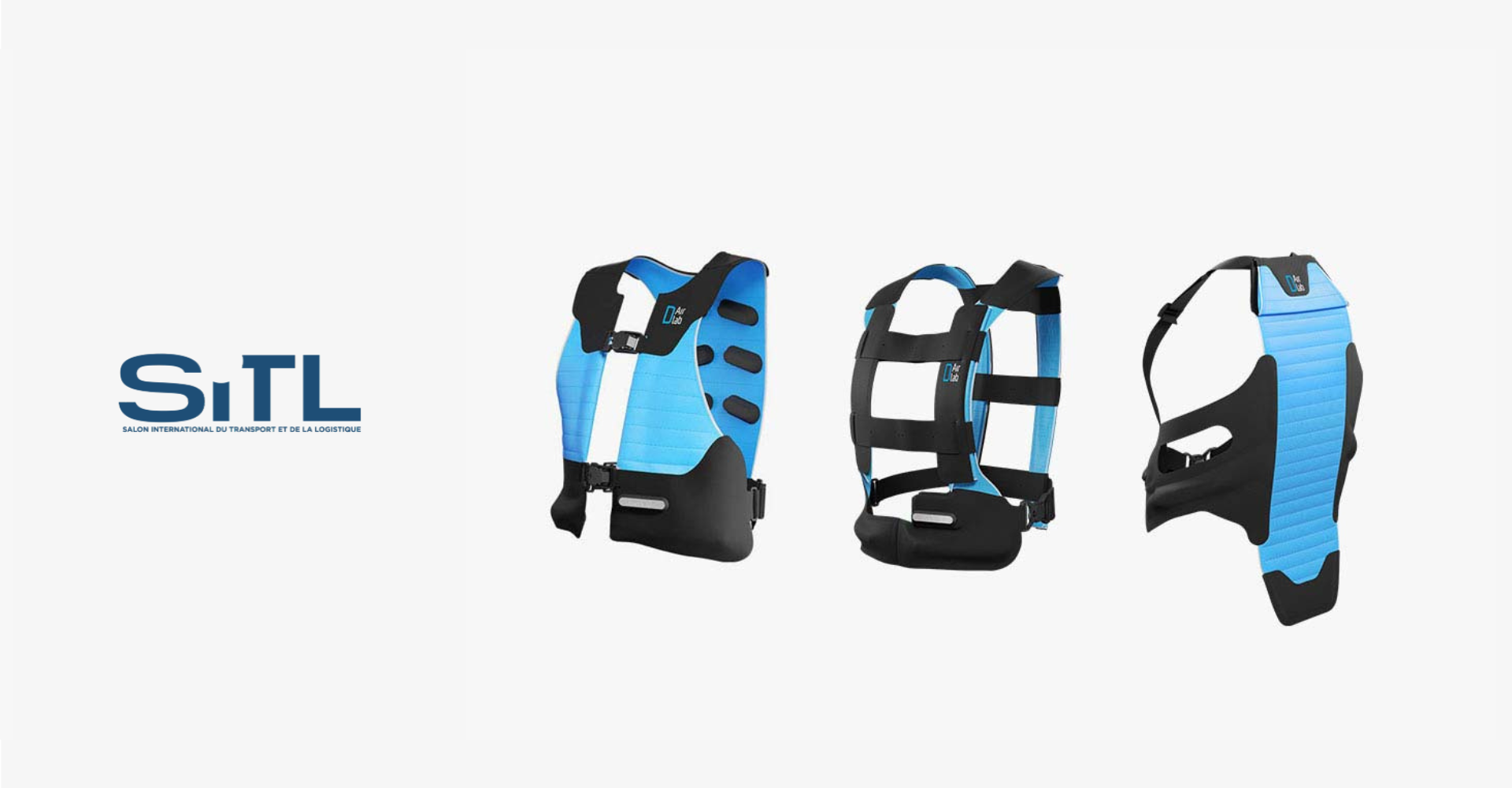
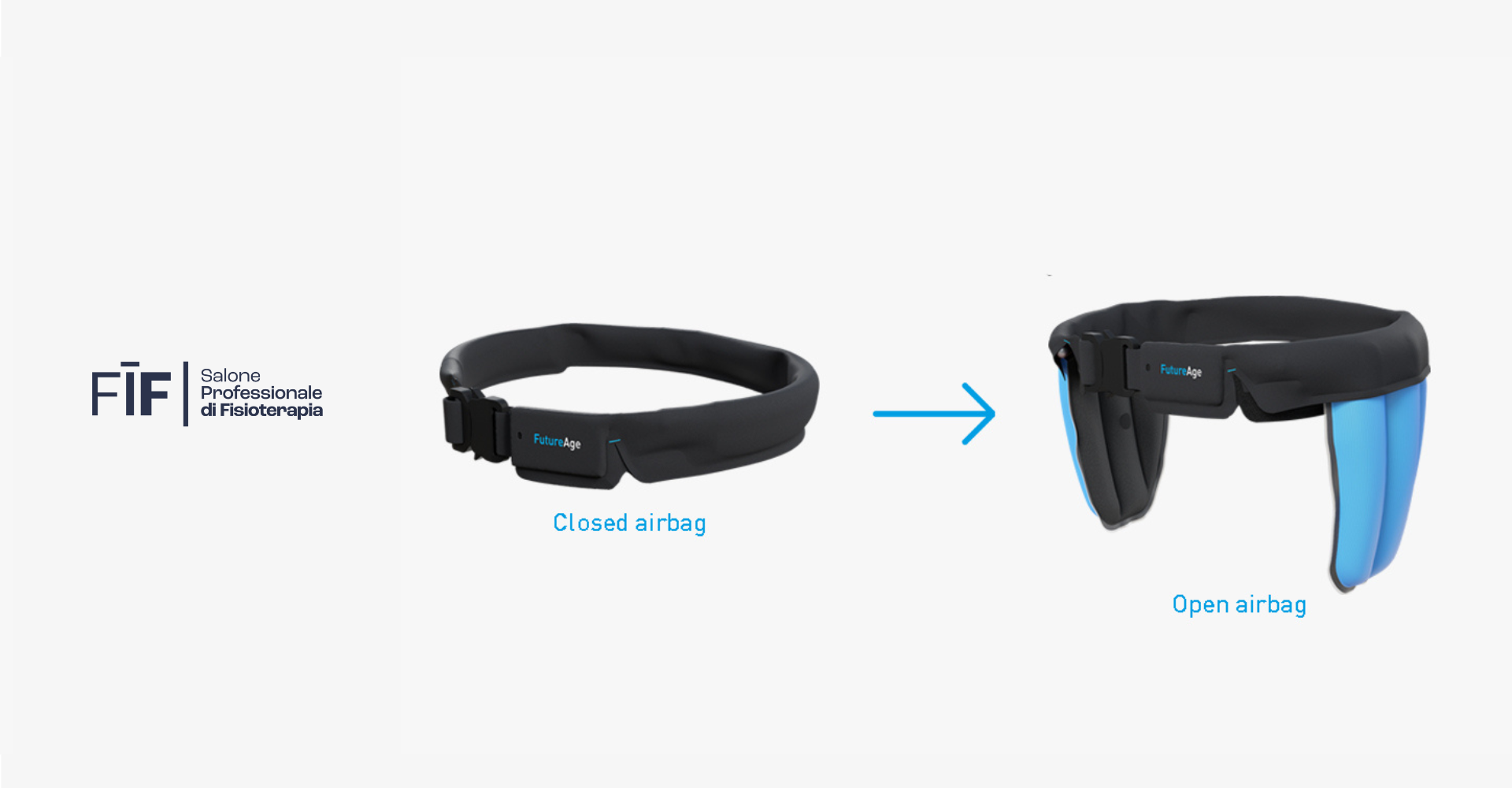
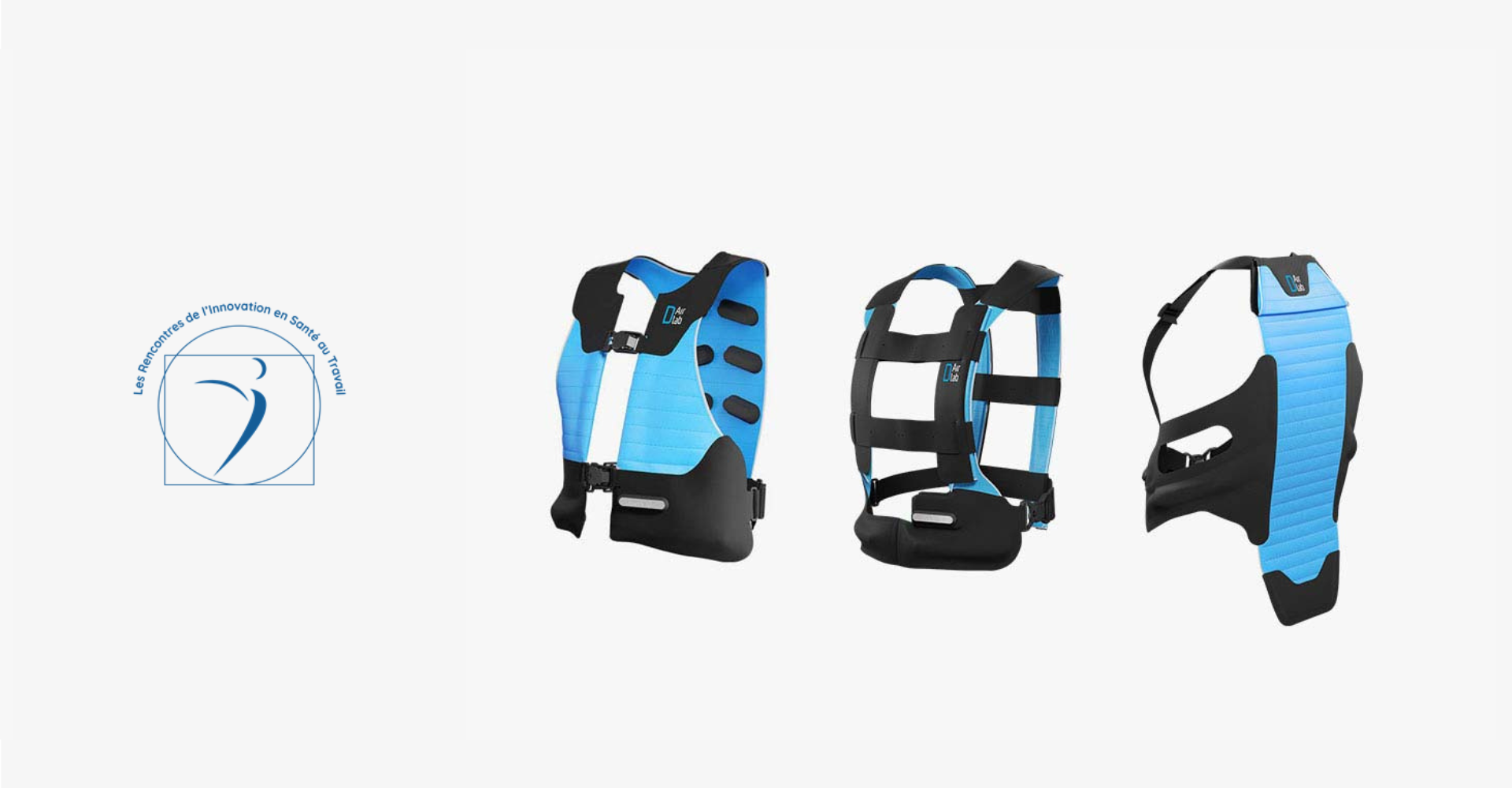
WorkAir is a wearable airbag vest designed to reduce the consequences of impacts in the event of a fall when working at height.
Certified as second-category PPE device, it does not prevent falls, but rather intervenes during the impact phase, contributing to the individual protection of vital areas of the body and reducing trauma.
The system uses integrated sensors that detect the dynamics of the fall and activate the airbag before contact with the ground. Once inflated, the airbag creates protection around the chest and back, absorbing the energy of the impact and helping to mitigate injuries.
This makes it particularly suitable in contexts where:
- lifelines or fixed anchorage points cannot be installed
- the operator must be able to move freely on the vehicle
- operations are taking place in variable and unstructured environments, typical of the logistics sector
From a risk management perspective, this is a supplementary measure that can be adopted as part of a company assessment, when structural solutions are not applicable.
This approach does not replace risk assessment or the obligation to prioritize collective protection, but it can contribute to reducing harmful consequences in the event of an accident.
Conclusions
Managing falls from height in the transport sector requires an integrated approach that includes risk assessment, training for working at height, and choosing solutions that are compatible with vehicle mobility.
Improving workplace safety in the logistics sector means taking concrete measures during loading and unloading activities, reducing exposure to risk even when there are no fixed anchorage points.
To find out more about the applicability of WorkAir in your specific operating context, request a dedicated consultation.