In the construction and maintenance industries and in many other work activities, the topic of safety at heights is central. Understanding at what height the risk must be assessed is essential not only to protecting workers, but also for compliance with laws on safety in the workplace.
In this article, we take a look at what is meant by work at height, at what height the risk must be assessed, what the main hazards are and how to prevent them with innovative solutions such as WorkAir.
What is “work at height”
According to Article 107 of Legislative Decree no. 81/2008 (Workplace Safety Laws Consolidation Act), work at height means “activities that expose the worker to the risk of falling from a height at least two metres above a stable surface”.
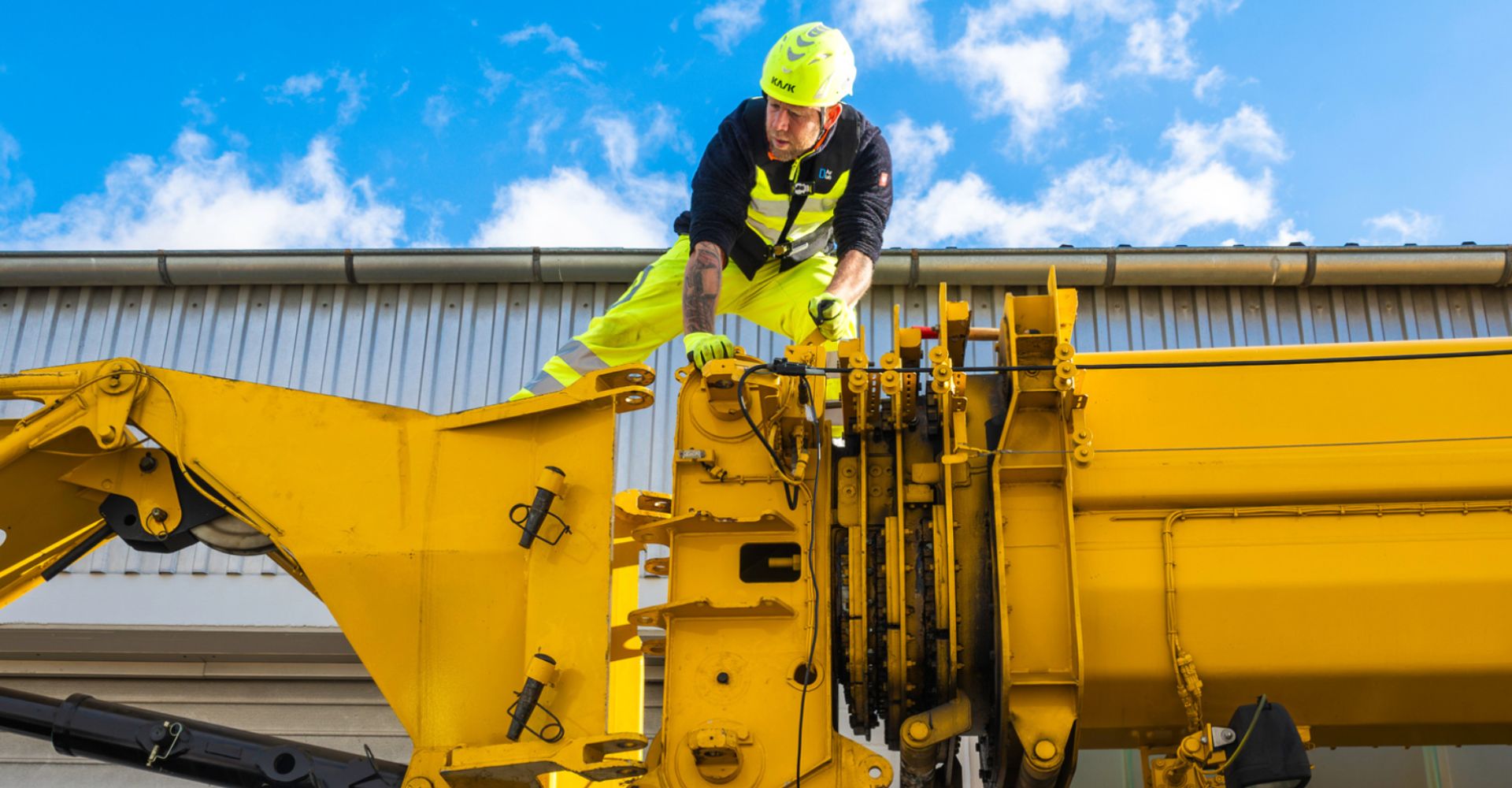
In practice, this means work on roofs, scaffolding, balconies or sloping surfaces — meaning all those situations in which loss of balance or a distraction can have serious consequences.
It is useful to distinguish between:
- Work at height → has a precise regulatory limit (above 2 metres);
- Work off the ground → a more generic concept that refers to any activity raised above the ground.
Learn more about the topic by reading the article: Working at height and working off the ground: differences and correct PPE
Work at height: at what height must the risk be assessed?
The law establishes that any activity performed at a height at least two metres above a stable surface requires an assessment of the risk of falling from height.
So, the answer to the question “in work at height, at what height must the risk be assessed?” is simple: from above 2 metres.
However, even below 2 metres, the risk assessment is mandatory if conditions that increase the danger are present, such as:
- unstable or sloping surfaces
- openings, differences in height or obstacles
- adverse weather conditions (rain, wind, ice)
The concept of a stable surface means any secure surface on which the worker can move, such as floors or platforms. Briefly: the threshold of 2 metres is the minimum reference, but safety must always be based on an actual assessment of the risk.
The main risks of work at height
The most common risks encountered in work at height include:
- Fall from a height – this is the most serious risk, often the result of loss of balance or absence of protective equipment.
- Inert suspension – after a fall, the worker remains hanging from the harness, with the risk of orthostatic shock.
- Pendulum effect – swinging after a fall, which can cause impacts against structures.
- Impacts and secondary injuries – impacts against materials, fall of objects or collapse of surfaces.
- Adverse environmental conditions – wind, rain or slippery surfaces increase the risk.
WorkAir: the most widely used airbag for protecting workers working at height
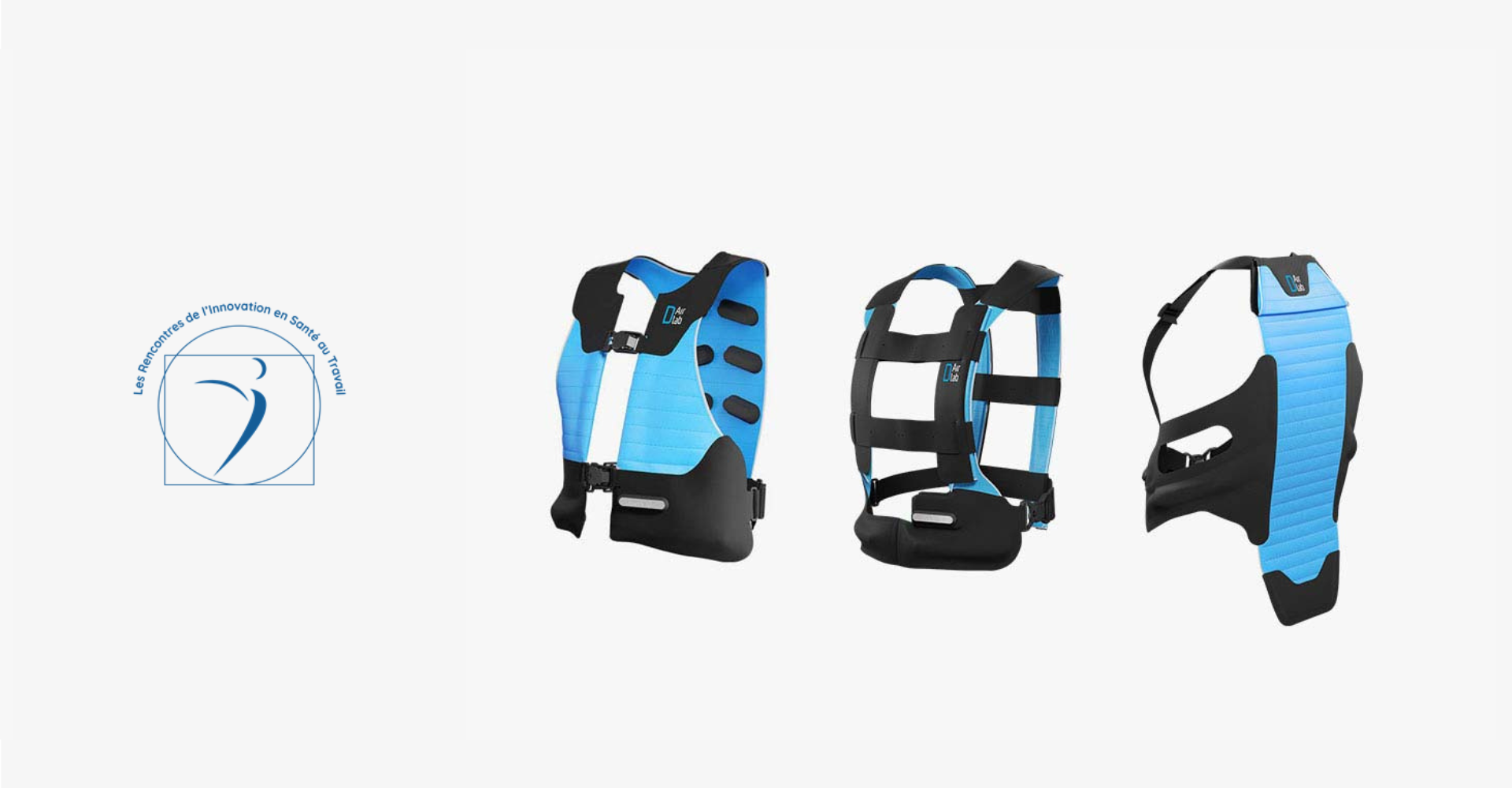
The most innovative solutions for increasing safety in work at height include WorkAir, the airbag designed to protect workers in the event of a fall.
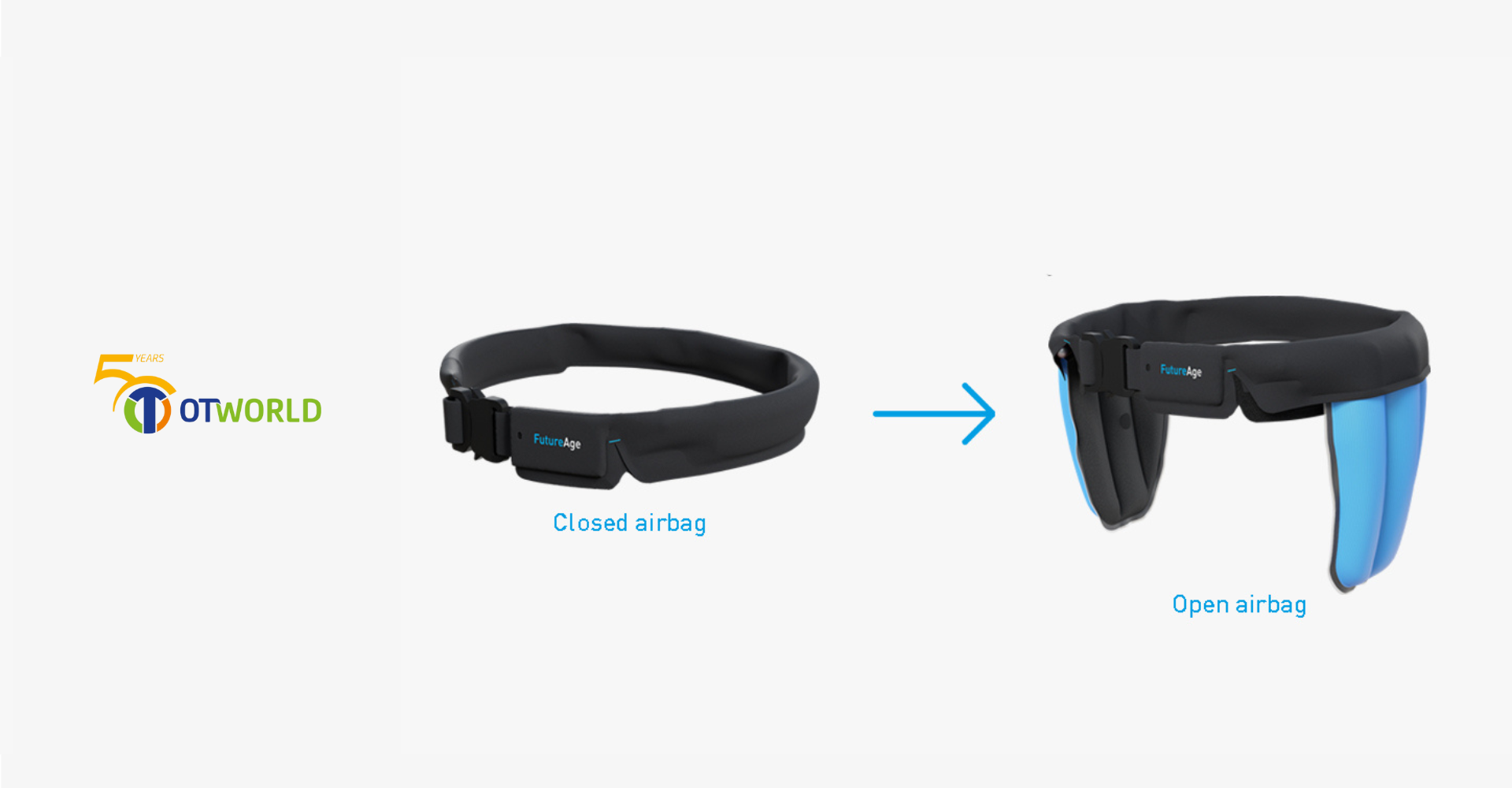
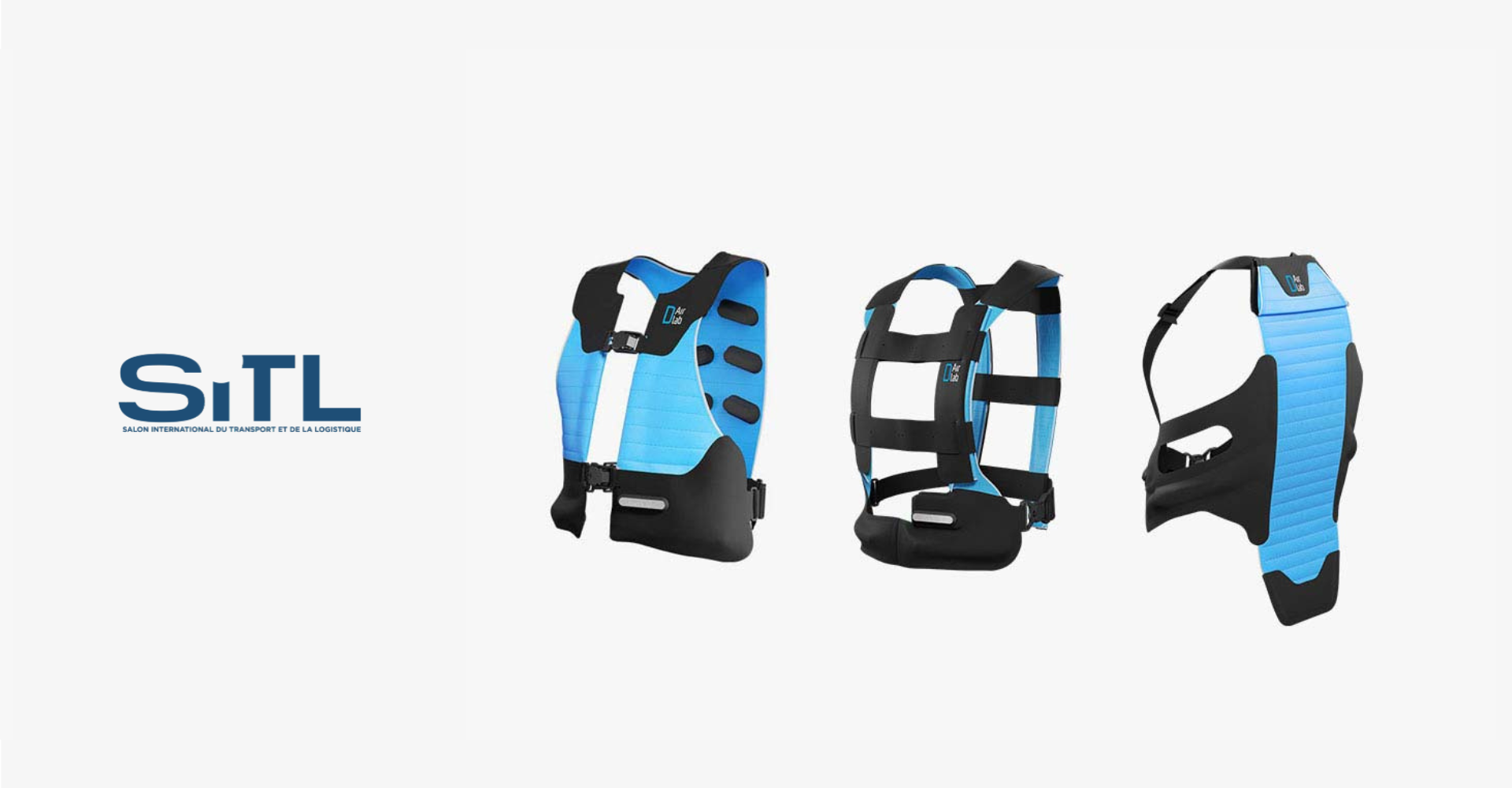
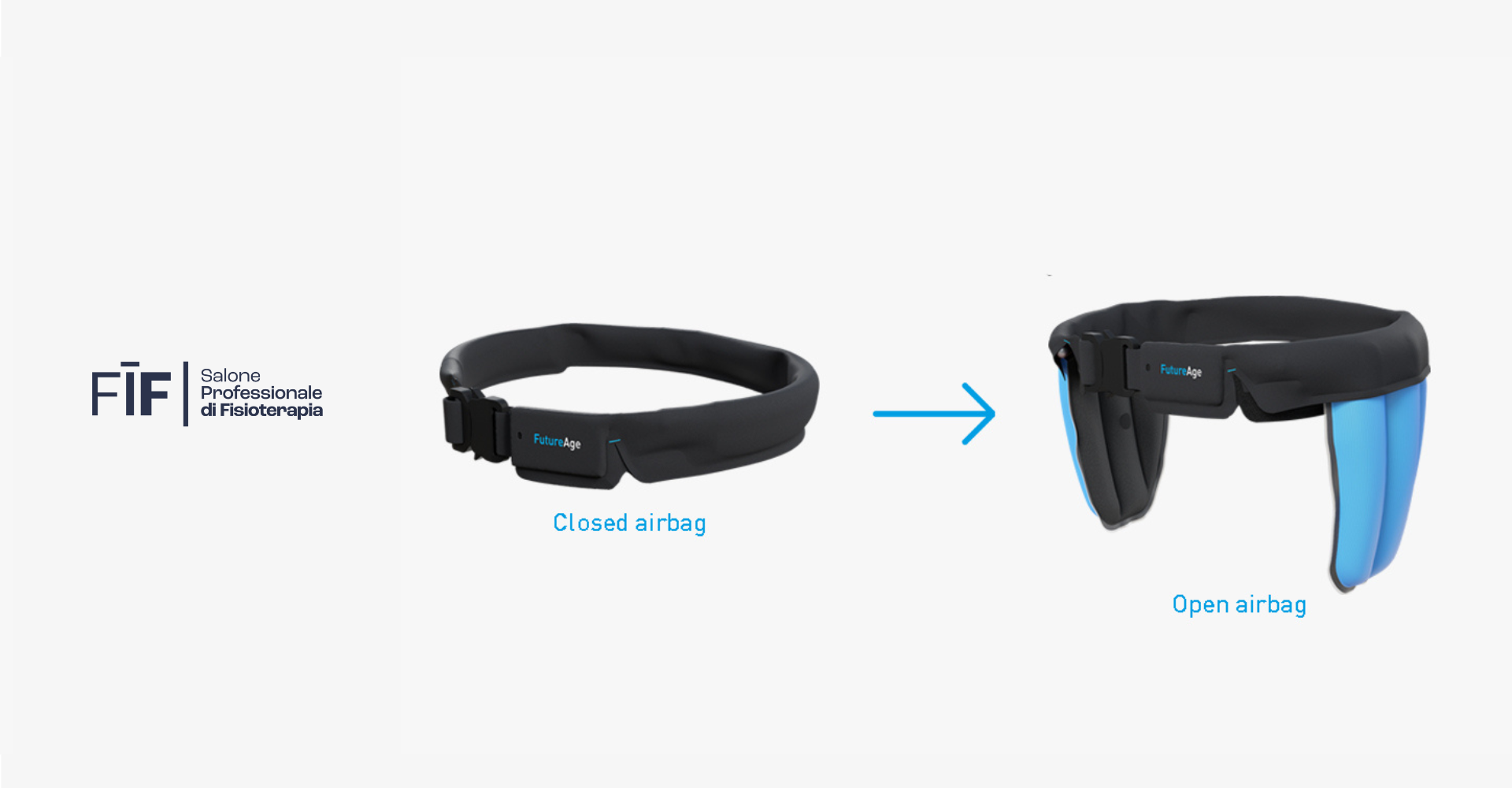
It is PPE developed to reduce and prevent serious back and chest injuries in the event of a fall with impact on the ground or with the pendulum effect.
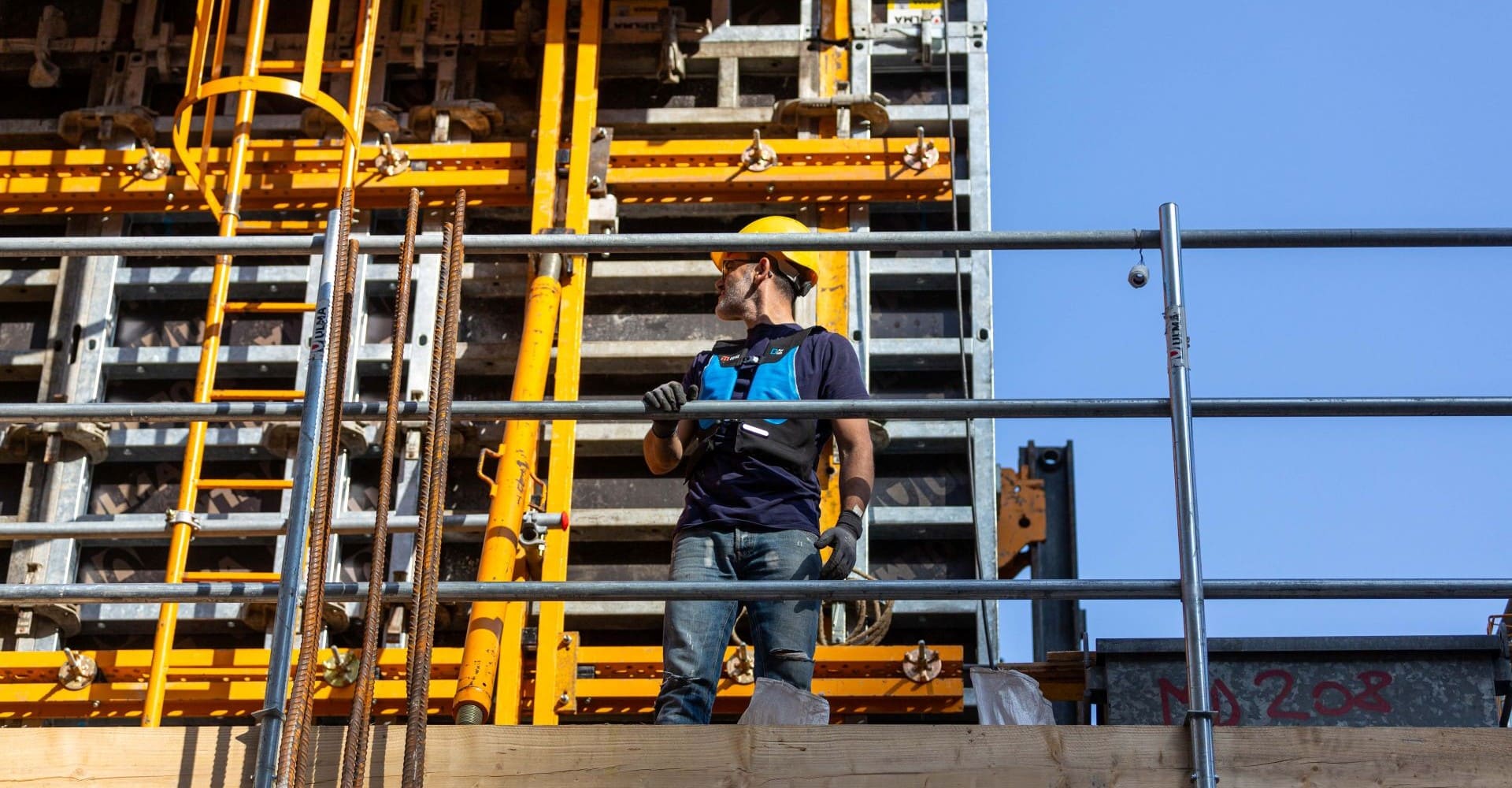
WorkAir is worn like a normal vest. It is lightweight and comfortable and equipped with sensors that detect anomalous movements or loss of balance in real time. In the event of a fall, the airbag activates automatically in just a few milliseconds, creating a protective barrier for the worker’s body.
In contrast with the traditional fall protection systems, WorkAir:
- does not limit freedom of movement;
- is used together with harnesses and lifelines;
- is ideal even for work at a height of around 2 metres, where there is no fixed anchoring point.
Choosing WorkAir means investing in safety and in technology, protecting anyone who works in risky conditions on an everyday basis.
Contact us for more information on how WorkAir can improve safety in work at height at your company.