Work at height risk assessment: requirements and purpose
A work at height risk assessment is one of the key tools required to manage occupational safety and ensure compliance with workplace safety regulations. In environments where employees perform tasks at height, its importance increases significantly, as fall from height risk remains one of the most common causes of serious injuries and fatalities in industrial, maintenance, and construction settings.
The purpose of a risk assessment is to identify hazards, evaluate the likelihood and severity of potential incidents, define appropriate preventive and protective measures, and determine the work at height PPE necessary to reduce residual risk and protect workers’ health and safety.
Fall from height risk analysis and employer responsibilities
A fall from height risk analysis is one of the most critical components of any work at height risk assessment. Hazards can arise from multiple factors, including unprotected edges, improper use of ladders or elevated platforms, adverse weather conditions, insufficient training, and unpredictable human errors.
Employers are responsible for implementing all reasonably practicable measures to reduce risk to the lowest achievable level. This responsibility includes identifying hazards, selecting suitable control measures, and ensuring workers are properly trained and equipped.
In this context, safety professionals and workplace safety managers play a central role in supporting employers through technical assessments, risk evaluation, and the implementation of effective safety measures.
Prevention, protection, and the hierarchy of controls
Managing fall from height risk follows the well-established hierarchy of controls, which prioritizes:
- Elimination of the hazard
- Collective protection measures
- Use of fall protection PPE
This hierarchy highlights the fundamental difference between prevention and protection. Prevention aims to remove hazards before an incident occurs, while protection focuses on reducing the consequences when hazards cannot be entirely eliminated.
Fall protection systems, including harnesses, lanyards, anchor devices, and personal fall arrest systems (PFAS), are designed to prevent falls or safely arrest them. Regulations and industry standards require these systems to be suitable for the specific work environment, compliant with applicable standards, and supported by adequate work at height training.
However, even when properly implemented, fall protection systems cannot completely eliminate the possibility of injury. This remaining exposure is known as residual risk.
Residual risk in work at height activities
One of the most important concepts in modern occupational safety is residual risk management.
A thorough residual risk assessment recognizes that certain hazards may remain even after preventive measures and fall protection PPE have been implemented. Examples of residual risk in work at height include:
- Sudden deceleration following a fall arrest event
- Impact against structures or obstacles below the working area
- Swing falls and pendulum effects
- Trauma affecting the chest, back, or other vital body areas
These scenarios demonstrate why a comprehensive safety strategy cannot focus solely on preventing falls. Even when prevention measures are effective, the potential severity of injuries must still be considered.
This is why modern workplace safety is evolving from simple accident prevention toward a broader approach that includes mitigation of the consequences when incidents occur.
Innovative work at height PPE: impact protection for workers
When a work at height risk assessment identifies residual hazards that cannot be eliminated through conventional control measures, organizations must evaluate additional solutions capable of reducing injury severity.
In recent years, a new category of innovative work at height PPE has emerged: worker impact protection devices.
In recent years, a new category of innovative work at height PPE has emerged: worker impact protection devices.
Unlike traditional fall protection PPE, these solutions do not prevent a fall. Instead, they are designed to activate when an accident occurs, with the objective of:
- Reducing impact energy
- Protecting vital areas of the body
- Limiting traumatic injuries
This represents an important evolution in workplace safety. The focus is no longer limited to prevention but extends to injury mitigation and residual risk management.
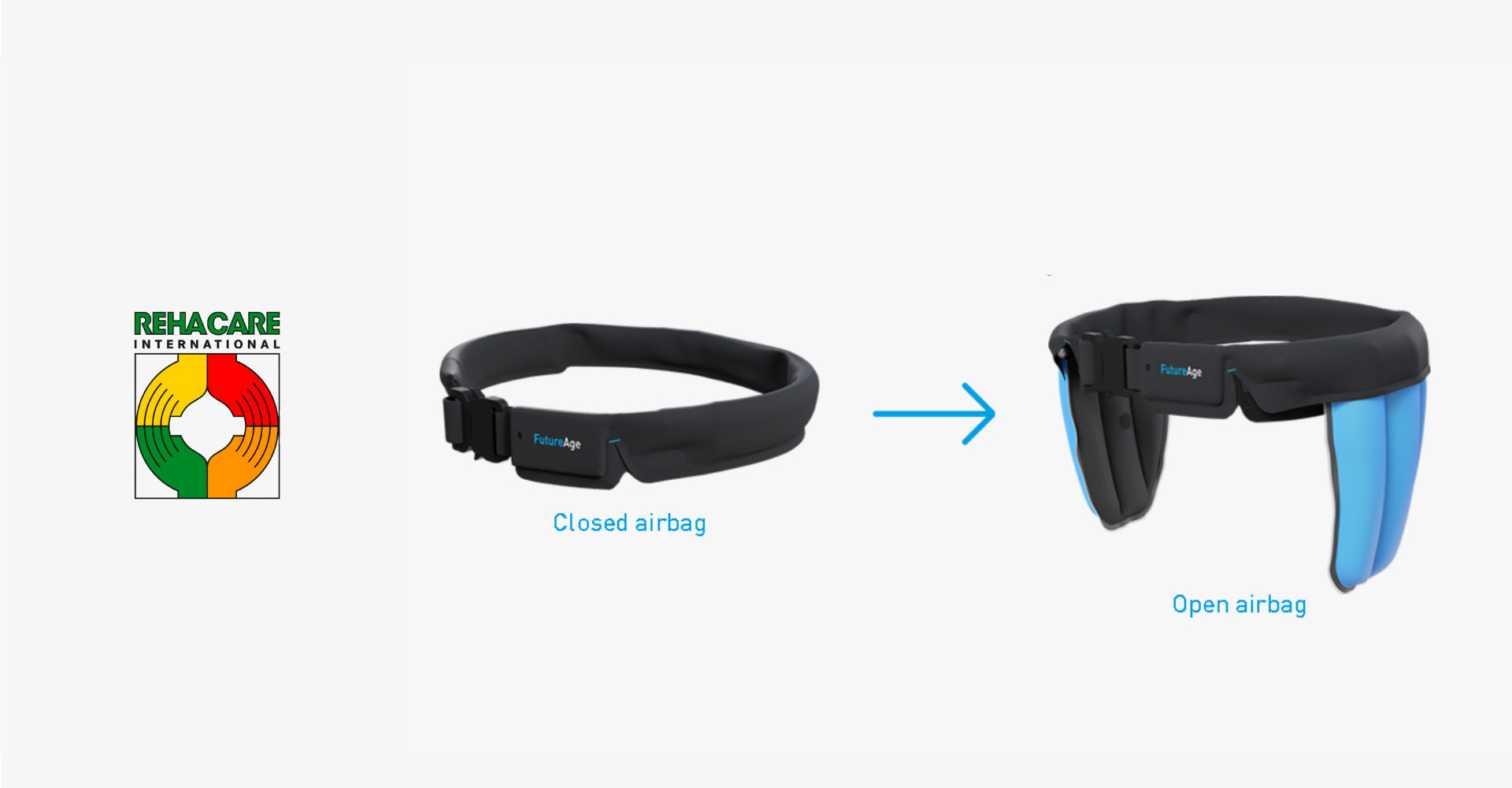
Among the most advanced technologies in this field are wearable airbag systems designed specifically for workers operating at height.
Practical example: advanced protection for workers at height
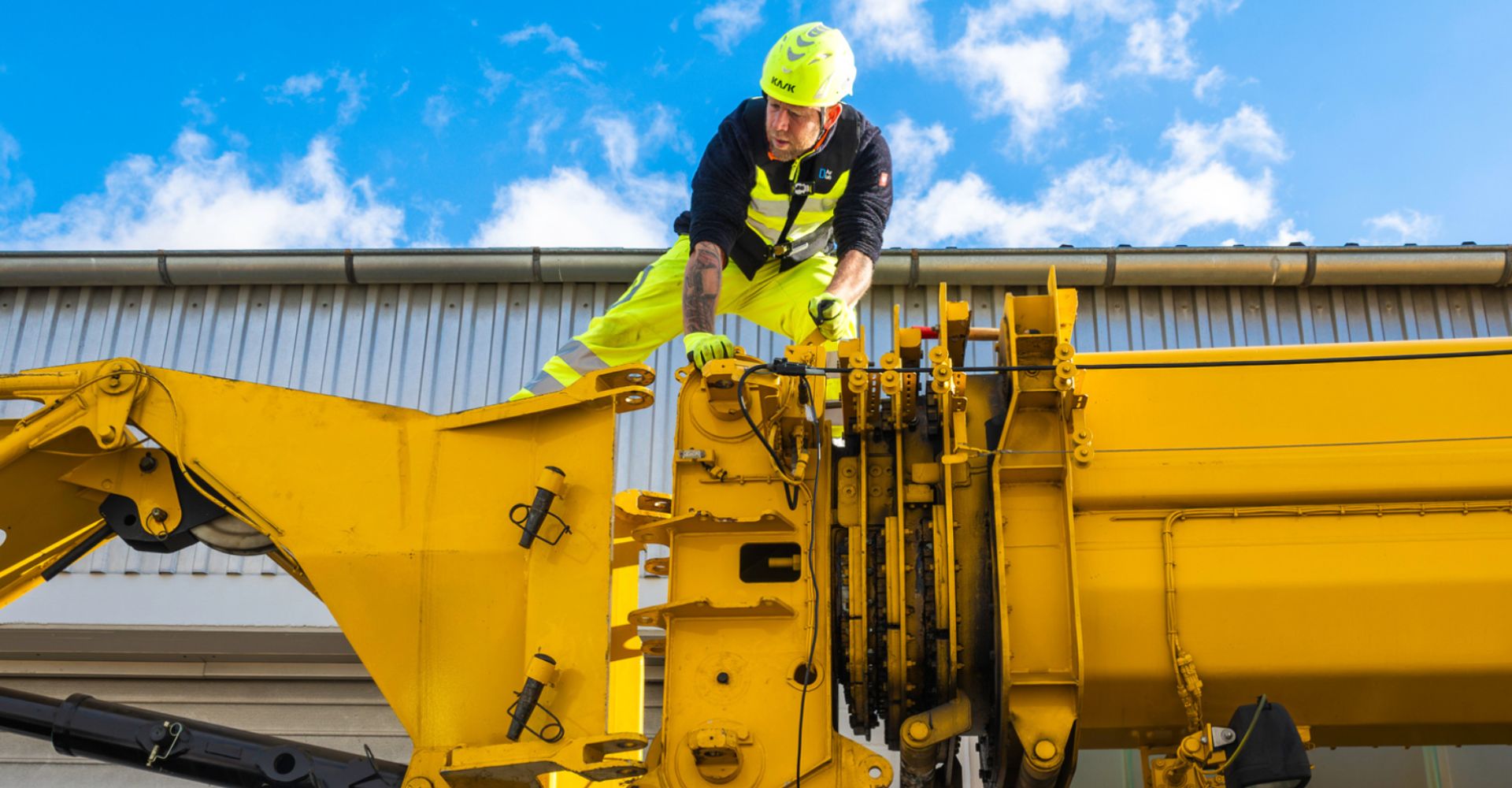
In environments such as construction sites, industrial maintenance facilities, and infrastructure projects, significant residual risk may remain even when certified fall protection systems are used correctly.
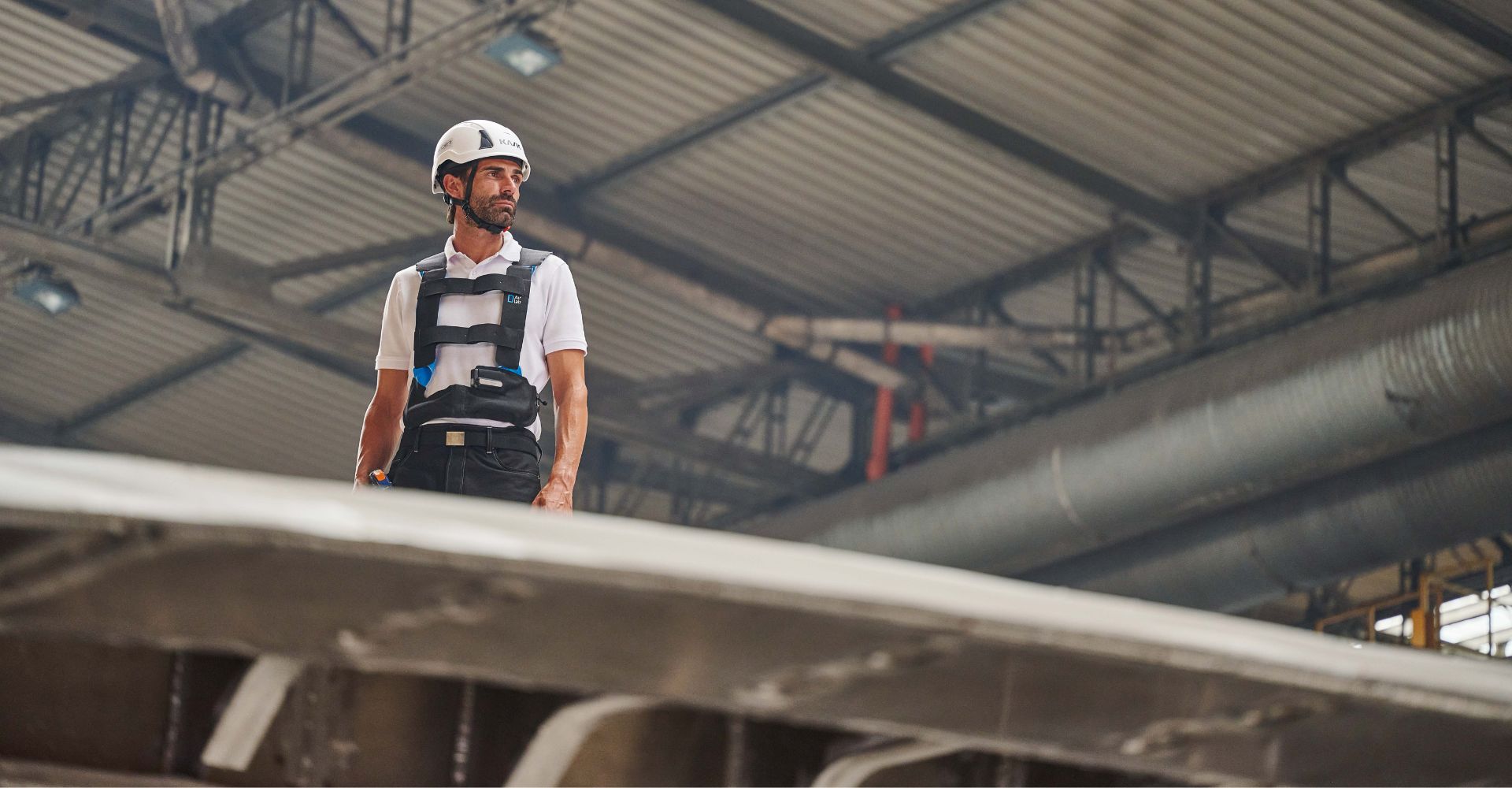
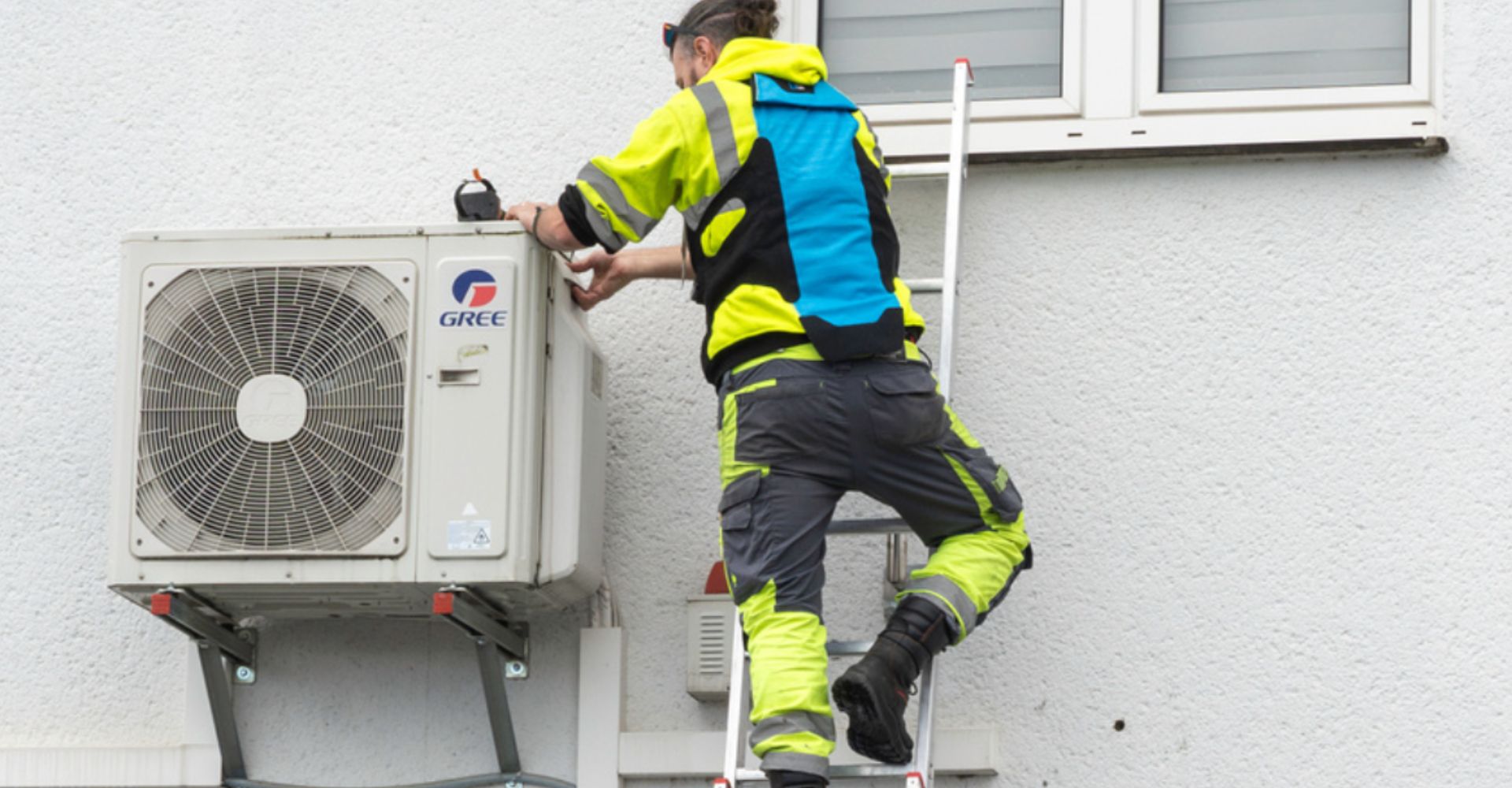
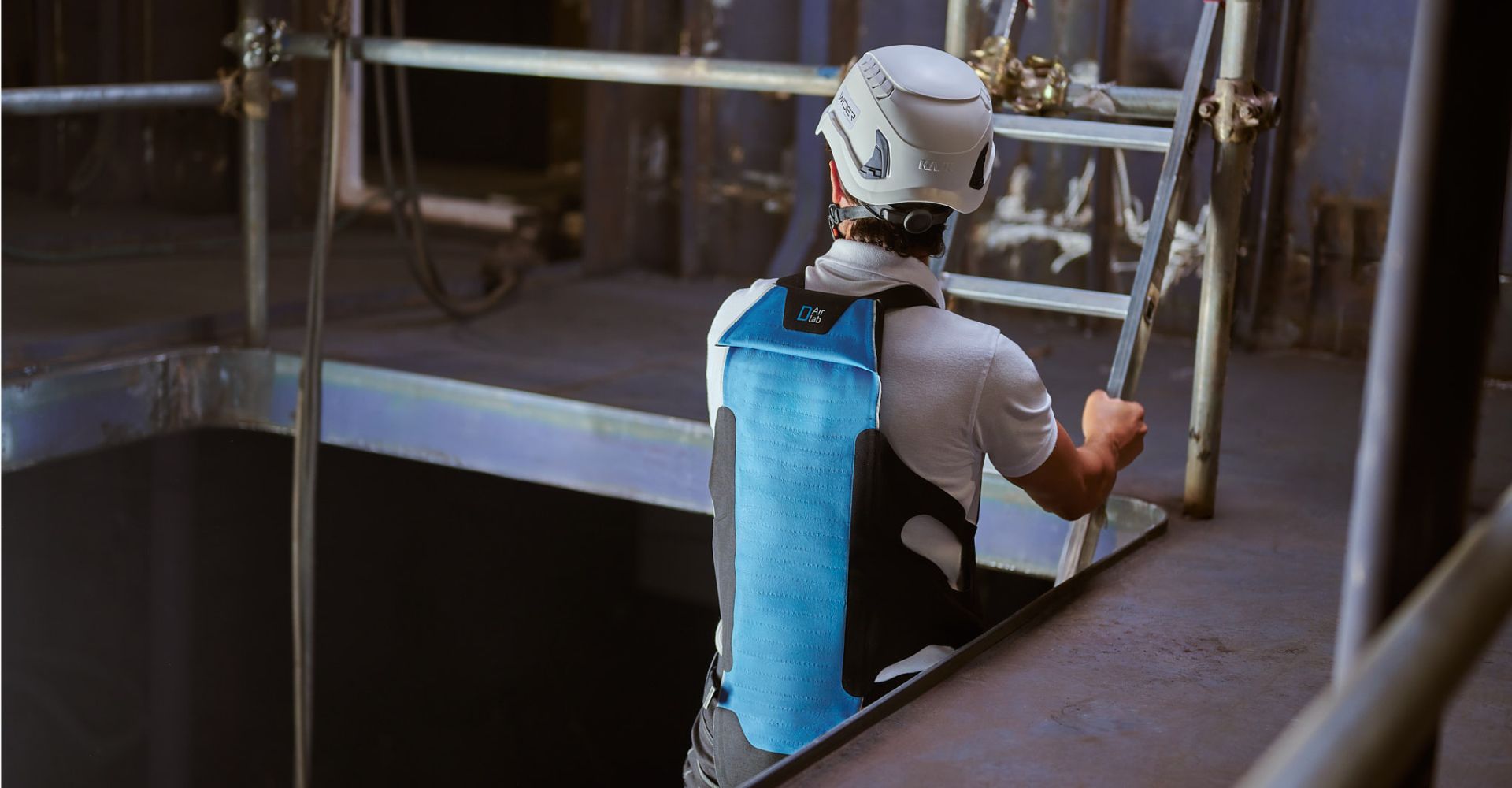
One example of this approach is WorkAir, a wearable airbag protection system certified as Category II PPE. It has been developed to reduce the consequences of falls by protecting the worker’s chest and back from impact-related injuries.
WorkAir is not intended to replace traditional fall protection PPE. Instead, it functions as an additional layer of protection within a comprehensive safety strategy. It is designed for scenarios where a fall may result in collision with obstacles or structures below the working surface despite existing preventive measures.
Main features:
- Lightweight and ergonomic design that does not restrict movement
- Automatic airbag deployment during a fall event
- Protection of critical body areas exposed to impact
- Adaptability to a wide range of work environments
- Certified as Category II PPE
- Reusable following the appropriate reset procedure
Conclusion: toward a more advanced approach to residual risk management
Today, a work at height risk assessment can no longer be viewed as a document focused exclusively on traditional preventive measures.
The future of workplace safety requires a more comprehensive approach that combines detailed residual risk assessment, effective residual risk management, integration of innovative work at height PPE and consideration of rescue, recovery, and impact scenarios.
Protecting workers is no longer solely about preventing falls. It also means reducing the severity of injuries when prevention alone is not sufficient.
The direction of occupational safety is clear: smarter, more integrated solutions that reflect real-world operating conditions and address the limitations of conventional fall protection systems.
Contact us to learn more about WorkAir and discover how advanced impact protection can support your organization’s work at height safety strategy.